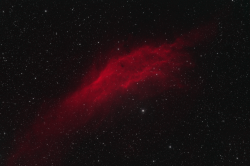
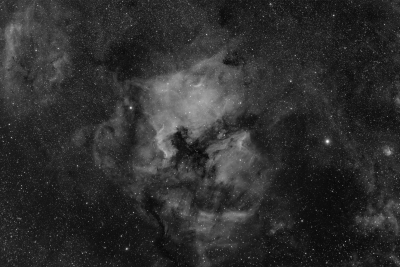
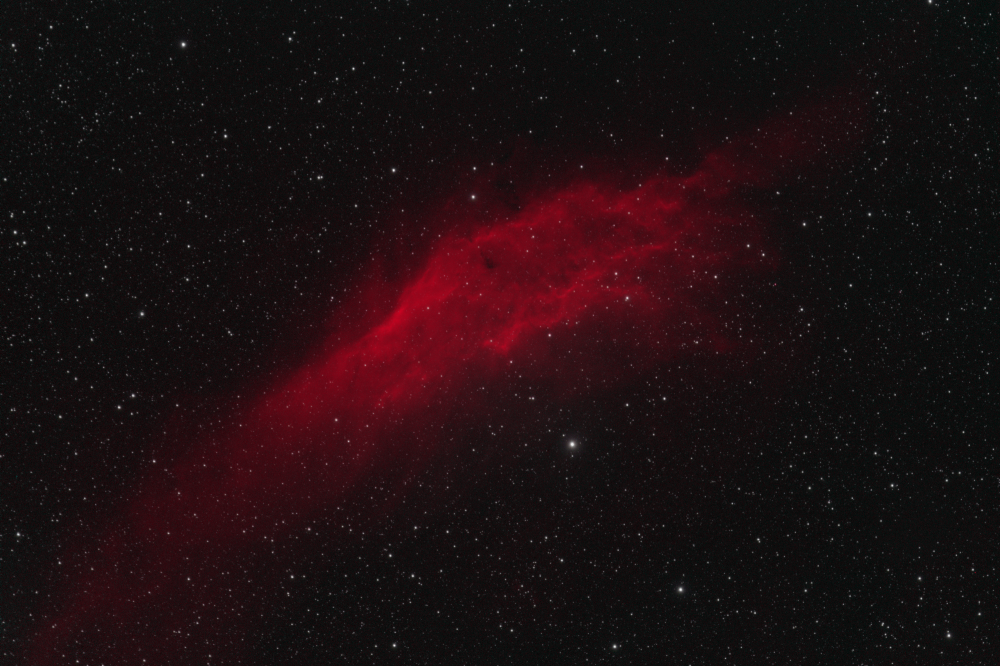
California

 Posted: Feb 19th, 2020
Show astrometry on hover
NGC
IC
HD
Technical Info
Telescope/Lens: Samyang 85mm F1.4 AS IF UMC Aspherical
Camera: ZWO ASI178MM
Mount: Celestron Advanced VX
Guide Scope: 32MMF4
Guide Camera: ZWO ASI120MM Mini
Software: Pixinsight, Fitstacker, Photoshop
Exposure:
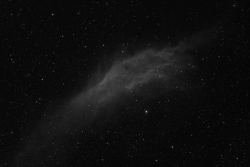
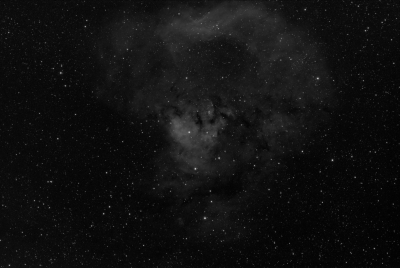
84 x 300" ISO/Gain: 200 - Svbony Ha 7nm
36 x 300" ISO/Gain: 200 - Baader OIII 8,5nm
Orange zoneLight Pollution:
 Krasnoyarsk, Russia
10 h 0 m
2306
f/3.5

R(Ha) G(O-III) B(O-III*0.85+Ha*0.15)

Hydrogen in the white zone, oxygen at the border of blue and green.
Resolution: 3000x2000 px
Scale: 32120 KB
Current photo Updated
  19 Feb, 2020
  10 h 0 m
f/3.5 R(Ha) G(O-III) B(O-III*0.85+Ha*0.15) Водород в белой зоне, кислород на границе синей и зеленой
  14 Feb, 2020
  7 h 0 m
f/3.5
Show changes
Add comment

Comments

Excellent result.
19 Feb, 2020 Reply
Pavel Zhukov Replied to Malex
Thank you!
20 Feb, 2020 Reply
Very beautiful, but also very challenging!
20 Feb, 2020 Reply
Pavel Zhukov Replied to Max_astro
Thank you!
20 Feb, 2020 Reply
Yes, it's quite good, but the stars seem stretched vertically, or is it just me?
20 Feb, 2020 Reply
Pavel Zhukov Replied to Alex
Thank you! Yes, that can happen with stars. The stars in the hydrogen channel are slightly larger than those in the oxygen channel across almost the entire field, and they protrude especially from the top—likely due to poorer guiding in one of the hydrogen sessions.
20 Feb, 2020 Reply
In terms of detail, the California Nebula is a rather unremarkable object.
But in this color treatment, it looks very effective and dramatic.
8 Mar, 2020 Reply
Pavel Zhukov Replied to Bender B Rodriguez
Thank you! Yes, it's a specific object, but monochrome can get a bit monotonous sometimes. That's why I decided to experiment.
8 Mar, 2020 Reply

Comments are available only to registered users. Register or log in to leave a comment.