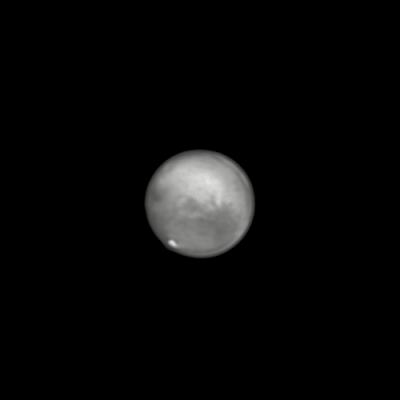
Thank you for sharing your photos - this is exactly what this project is all about! :-)
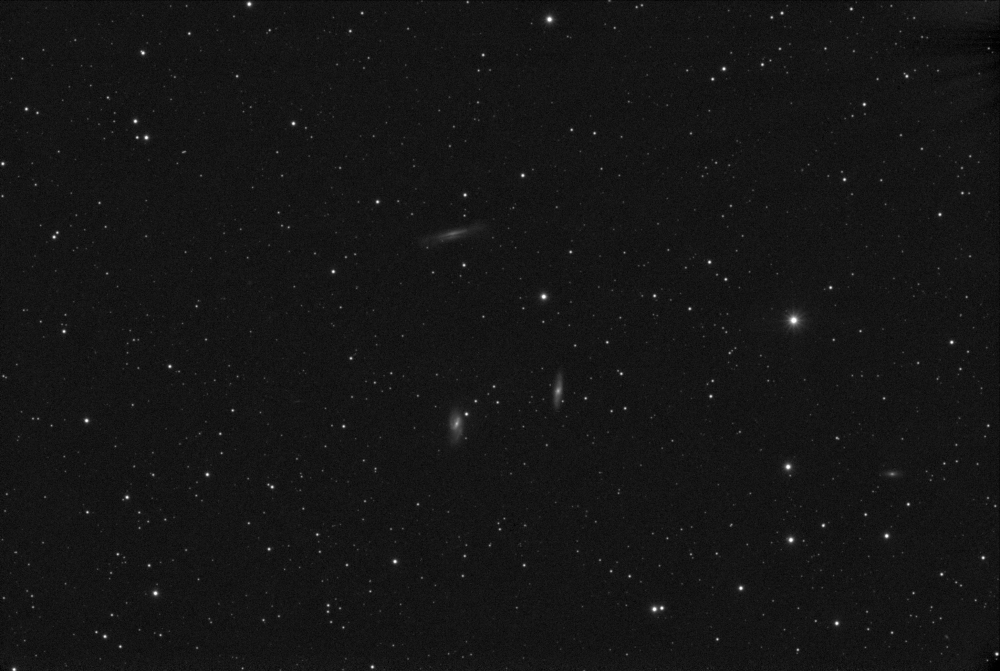
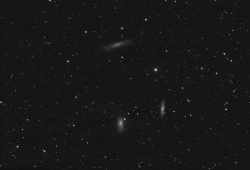
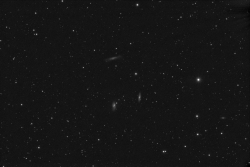
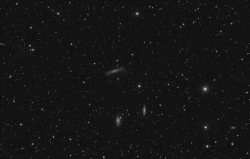
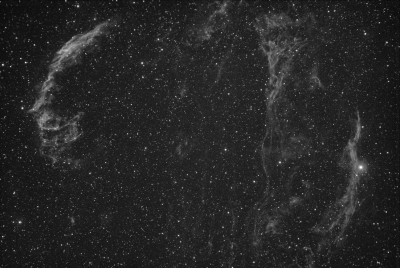
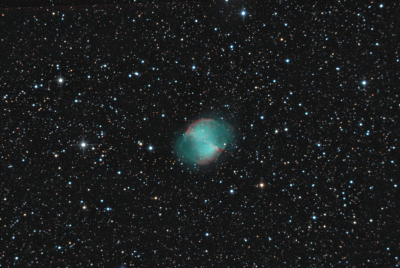
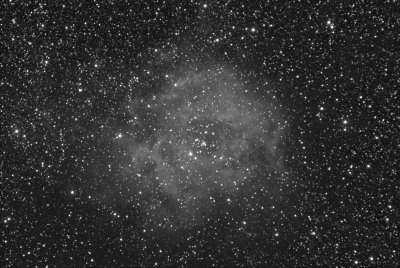
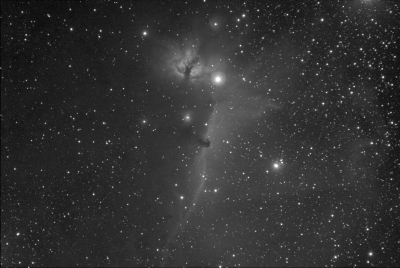
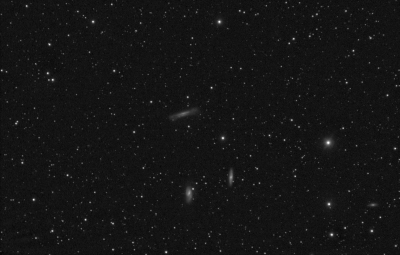
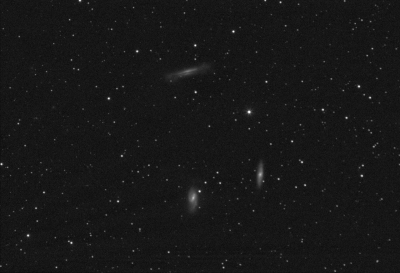
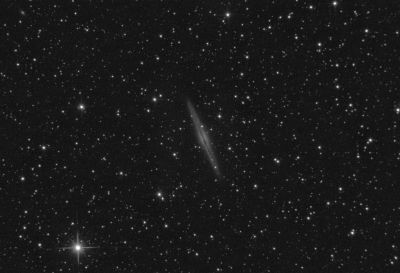
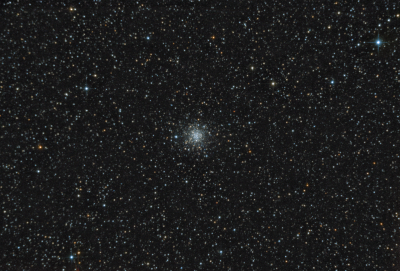
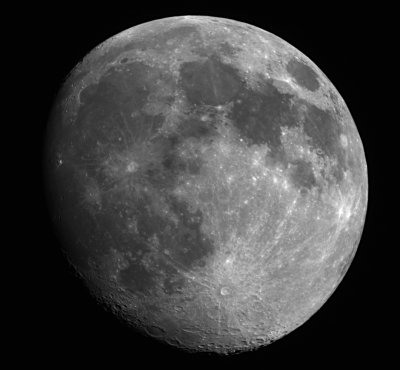
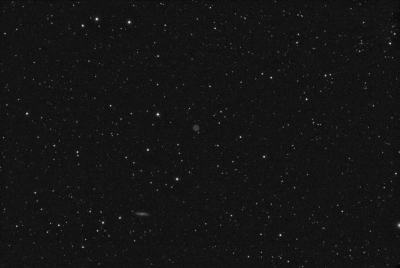
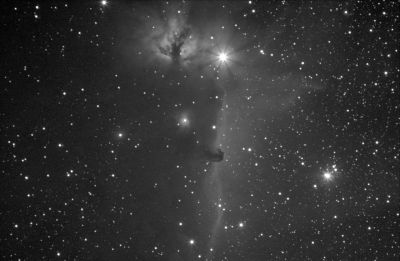
Today's trio. (March 20, 2020, or rather yesterday's already :)) ) Aperture stopped down to f/5. Yes. Aperture rules. The previous shot had 120-second exposures, lower gain, but higher transparency. Although the total integration was different. Maybe it's precisely about the integration time. But it seems that stopping down the aperture also reduced the resolution. I'll try switching to the Jupiter-21M lens. I'll stop it down to f/5 and get the aperture of a Jupiter-37, but at a fully open aperture. We'll see.
Jupiter 21M test. It seems like the light grasp has improved, judging by the lettuce leaves in the Hamburger. The detail also seems higher. But the overall impr…
Today's trio. (March 20, 2020, or rather yesterday's already :)) ) Aperture stopped down to f/5. Yes. Aperture rules. The previous shot had 120-second exposures…
If you're referring to the rays in the upper right corner, then no. The darks and biases are original. But this glow still doesn't go away. I don't know what to do about it. This is the actual side of this camera, or maybe my specific unit. They just don't disappear completely, that's all.
I wrote about it because I had the same problem. In this case, offset is the value that the software adds to the pixel signal value, not the calibration offset frame. I solved the problem as follows:
1. The offset value when shooting darks and lights must match and be such that the dark histogram is not clipped on the left.
2. I don't calibrate with biases. The camera has low read noise, plus the bias is already contained in the dark.
As soon as I corrected the two issues above, everything immediately worked out.
Additional notes on calibration for this camera:
- I calibrate with flats, and I calibrate the flats beforehand with dark flats.
- I shoot darks at home after a session using a refrigerator and freezer. I monitor the temperature and move them if necessary. A few days and a dark library for the year is ready, from -10 to 35 degrees.

Comments
1. The offset value when shooting darks and lights must match and be such that the dark histogram is not clipped on the left.
2. I don't calibrate with biases. The camera has low read noise, plus the bias is already contained in the dark.
As soon as I corrected the two issues above, everything immediately worked out.
Additional notes on calibration for this camera:
- I calibrate with flats, and I calibrate the flats beforehand with dark flats.
- I shoot darks at home after a session using a refrigerator and freezer. I monitor the temperature and move them if necessary. A few days and a dark library for the year is ready, from -10 to 35 degrees.
Comments are available only to registered users. Register or log in to leave a comment.