Great work!
Anastasia, I see you're using the iOptron Skytracker Pro: how do you like it? What's the failure rate depending on exposure/focus? Does it have a counterweight?
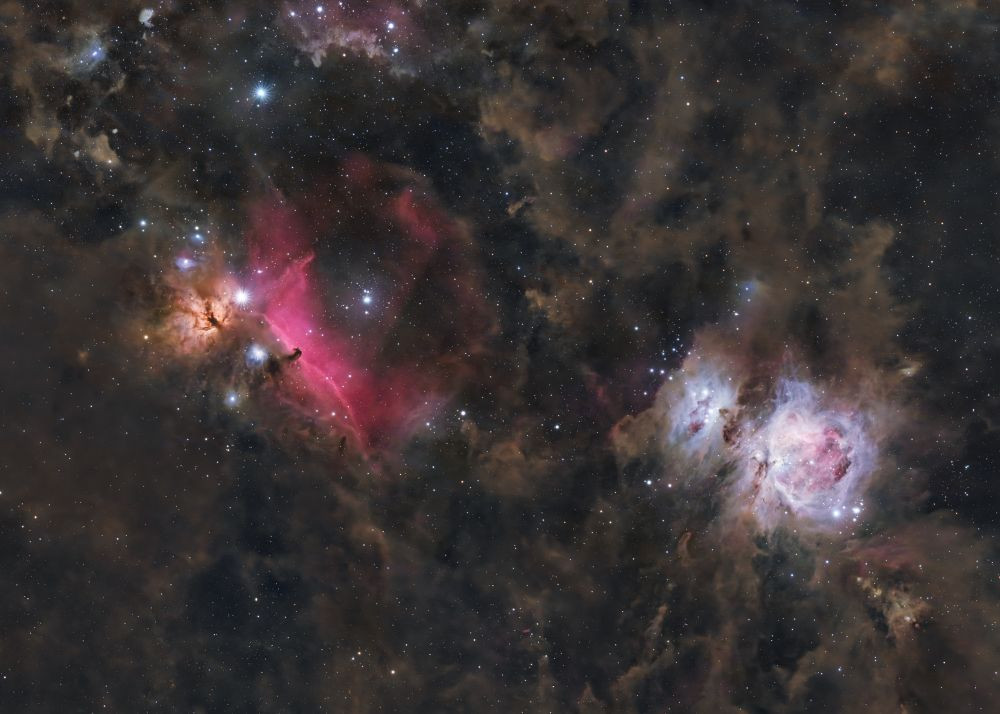
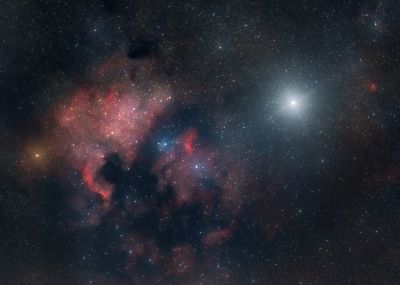
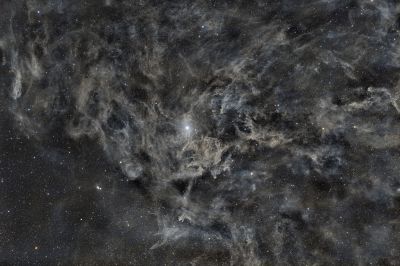
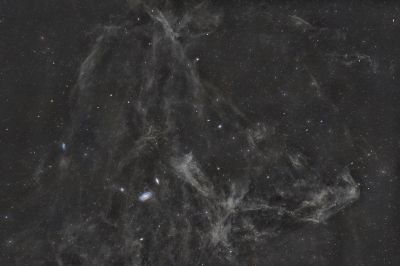
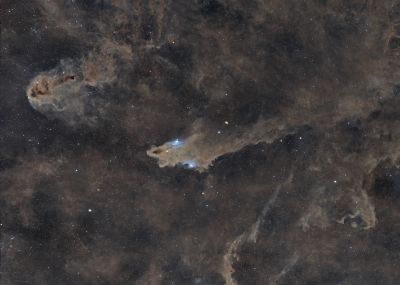
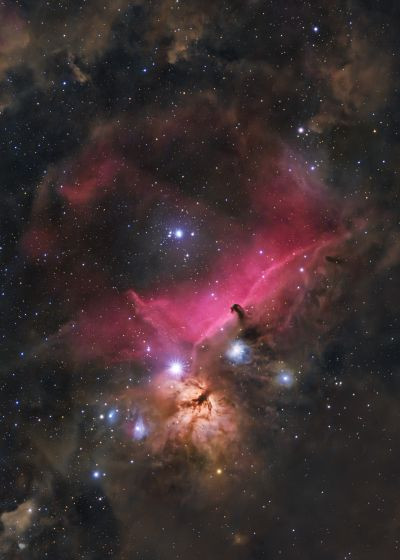
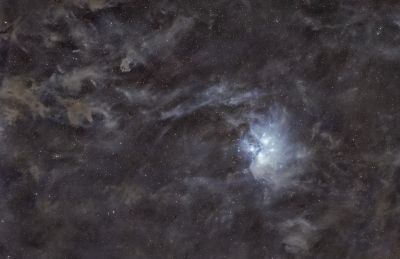
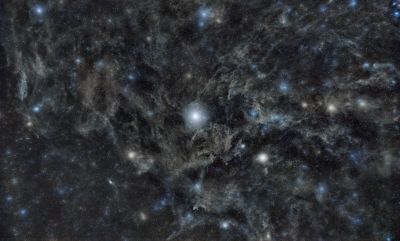
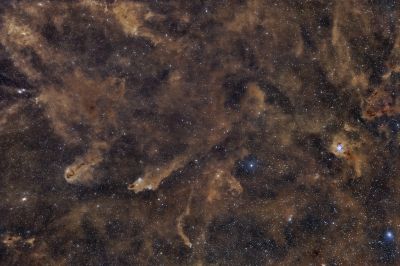
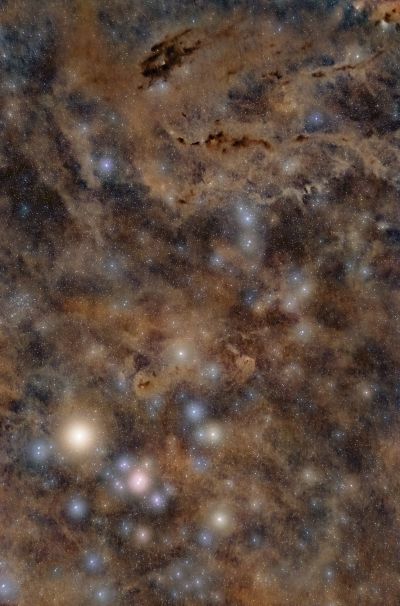
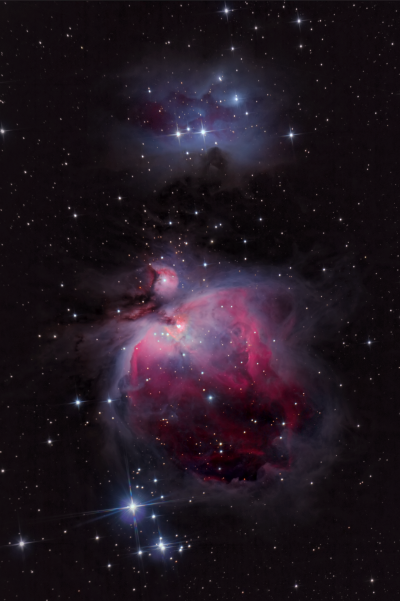
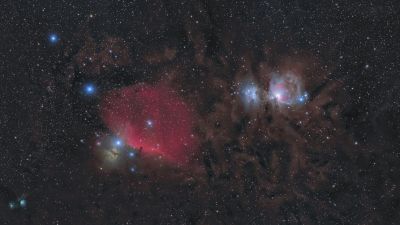
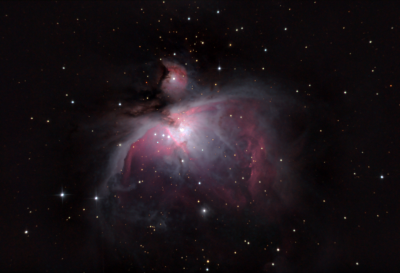
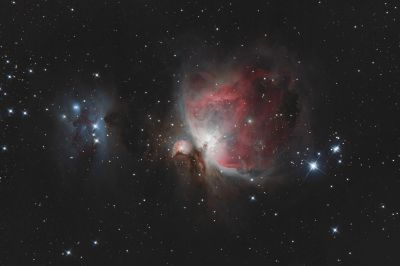
There is no counterweight; in principle, my setup tracks fairly well at exposures up to 2 minutes. The percentage of rejected frames also depends on the target's location and its distance from the pole. For example, when I photographed Polaris and its surroundings, I could use 5-minute exposures with few rejects. However, Orion is quite far from the pole, so even at 2 minutes, about 30% of frames were rejected (though external conditions also play a role—wind gusts cause slight star trailing, and I naturally removed such frames from the stack). The optimal setting was around 1 minute, which gave about 10% rejects. Overall, for its price, the tracker is excellent—probably the best for a beginner astrophotographer and absolutely top-notch for landscape astro. But I've now upgraded to its bigger brother, the SkyGuider, which comes with a counterweight and can handle a heavier setup. You can even mount two cameras on the counterweight bar.



Comments
Anastasia, I see you're using the iOptron Skytracker Pro: how do you like it? What's the failure rate depending on exposure/focus? Does it have a counterweight?
Comments are available only to registered users. Register or log in to leave a comment.