Thank you for sharing your photos - this is exactly what this project is all about! :-)
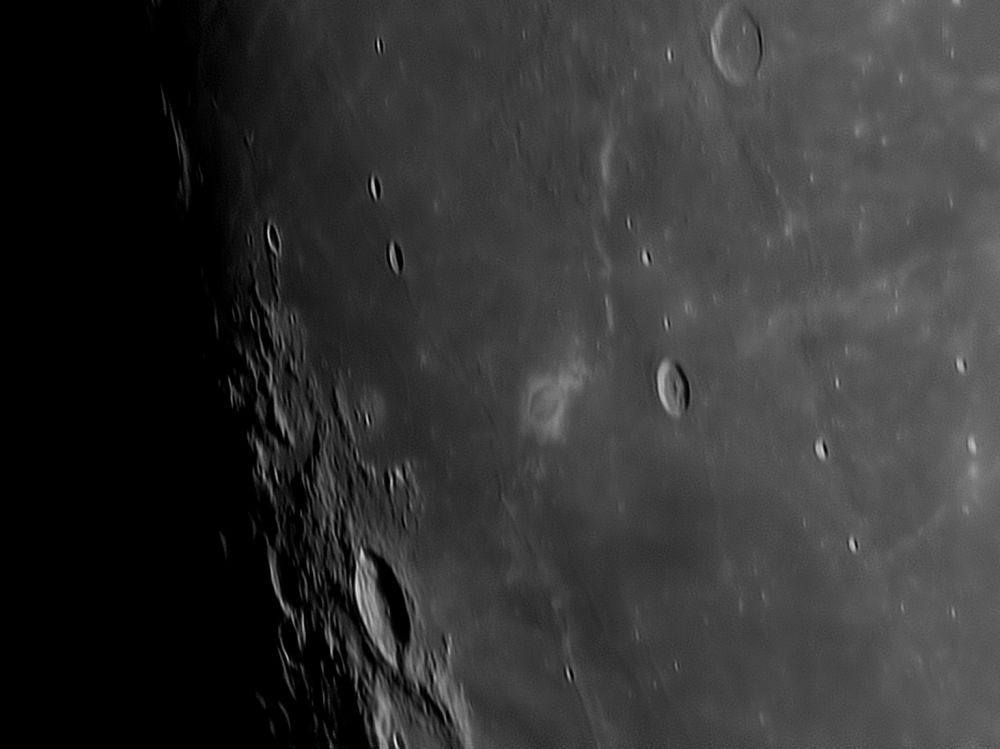
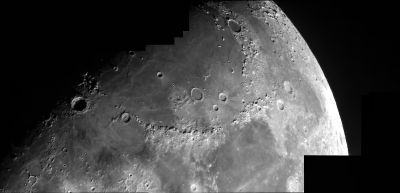
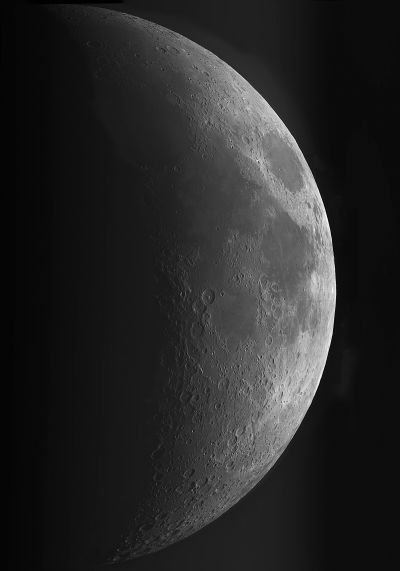
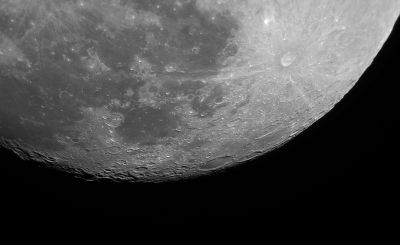
For a long time, the origin of this lunar feature remained unknown. It is not a crater or a mountain, but an area of perfectly flat terrain located on the edge of the Mare Imbrium (Sea of Rains), with a lighter color—or scientifically, a higher albedo—compared to the surrounding mare. Recently, a group of scientists has begun to lift the veil of mystery surrounding this strange object. At the location of Reiner Gamma, a fairly strong magnetic field was discovered, which deflects particles of the solar wind—the very "culprits" responsible for darkening the lunar surface. However, the issue is that there has been no geological (or more accurately, selenological) activity on the Moon for a long time, so where could this magnetic anomaly have come from? It turns out that beneath this area, at a depth of several tens or hundreds of meters, there are lava tubes and dikes through which lava flowed several billion years ago. This lava heated the lunar rocks to temperatures of several hundred degrees Celsius, causing them to become ferromagnetic—that is, to acquire magnetic properties. This occurred due to a chemical reaction that released metallic iron, which, under the influence of a magnetic field (several billion years ago, when the Moon still had a liquid core and its own magnetic field), became magnetized.
Add comment
Comments
There are no comments on this picture yet
Comments are available only to registered users. Register or log in to leave a comment.

Comments
There are no comments on this picture yet
Comments are available only to registered users. Register or log in to leave a comment.