Quoting from the description:
"Exposure:
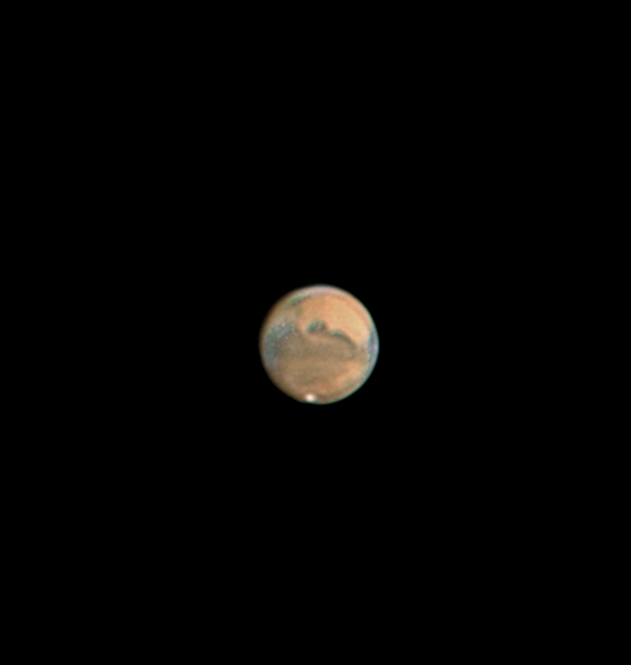
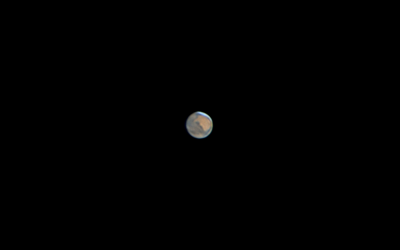
300 x 100000" ISO/Gain: 73" – well, the exposure for Mars can't be longer than the night, and it rotates... :) Those three zeros are clearly extra.
Actually, planetary photography doesn't use exposures measured in seconds; they are much shorter.
Most likely, 100 seconds is the length of the video. So what does 300 mean then?
Do you process your planetary videos yourself?
Let me point out that with such a focal length, Mars would be completely smeared into a blur over a 100-second exposure. Especially since you initially mentioned a video and stacking 300 frames. That would amount to more than 8 hours of shooting.
I would readily believe it if you were talking about a 100-second video at a certain frame rate, from which 300 frames were selected and stacked.
31 Oct, 2020
Reply
Comments are available only to registered users. Register or log in to leave a comment.


Comments
Comments are available only to registered users. Register or log in to leave a comment.